Explore Our Services
What We Offer
-
New swimming pool construction using steel or poly wallsoffers a robust, durable, and cost-effective solution for creating a custom backyard oasis. Featuring 14-gauge galvanized steel panels, this construction method provides exceptional structural integrity, making it highly resistant to the pressure of backfill and ideal for varying soil conditions
. These panels are versatile, allowing for tailored designs ranging from traditional rectangles to intricate freeform shapes with built-in steel steps, benches, or tanning ledges. The assembly process is generally faster than traditional concrete pools, involving the rapid bolting together of panels, a concrete floor, and a customized vinyl liner that provides a smooth, non-porous, and algae-resistant surface. Often, these structures are backed by a 50-year structural warranty, offering long-term reliability and peace of mind. With the ability to withstand the expansion and contraction of northern winters better than alternative materials, steel-walled pools are a durable choice that balances modern design with a more accessible price point.
-
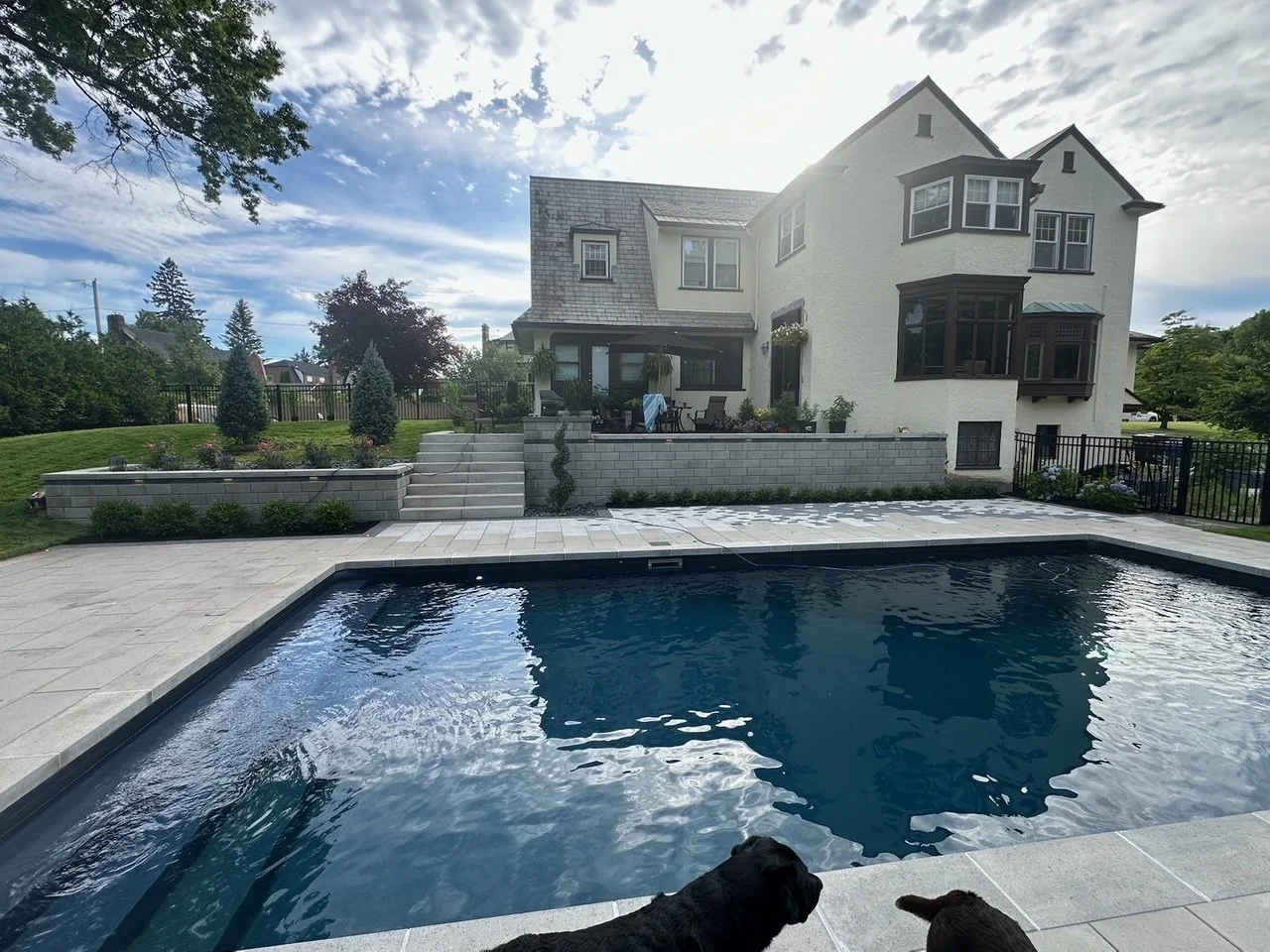
A swimming pool renovation is a transformative investment that refreshes your backyard oasis while significantly enhancing its aesthetic appeal, functionality, and safety
. Beyond merely repairing wear and tear, modernizing your pool allows for the integration of energy-efficient equipment, updated lighting, and luxurious features like new tile, resurfacing, or tailored coping, ensuring the structure aligns with contemporary design trends. Whether upgrading to a senior friendly design or adding a sun shelf, or installing automated technology, a professionally executed remodel turns an outdated pool into a vibrant, efficient, and durable hub for relaxation and entertainment.
-
Replacing a swimming pool liner is a transformative maintenance project that typically occurs every 10 to 15 years, immediately refreshing the pool’s appearance while preventing structural damage from leaks
. The process involves draining the pool, removing the old, worn vinyl, cleaning and repairing the floor and walls, and installing a new custom-fit liner. Professionals use vacuums to remove air from behind the liner, ensuring a smooth, tight fit against the pool walls and floor before cutting in the returns and skimmers. A new liner not only enhances the visual appeal with modern patterns but also increases the durability of the pool structure.
-
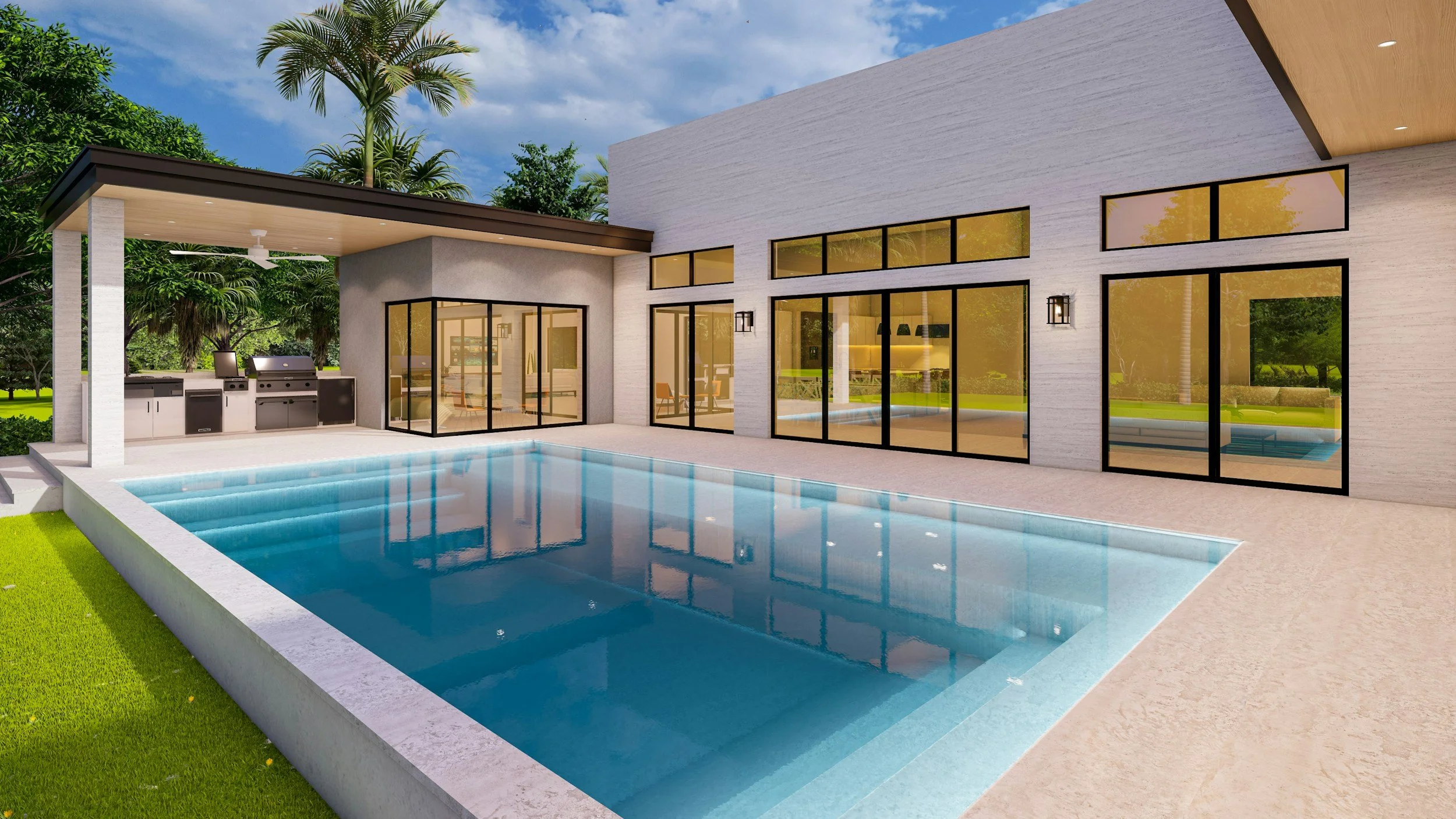
Fiberglass pools are pre-engineered, one-piece shells
crafted from layers of fiberglass reinforced with polymer resins and finished with a smooth, non-porous gelcoat. This specialized surface is a major highlight for many homeowners, as it naturally resists algae growth, feels gentle on the skin, and remains compatible with popular saltwater systems. Because the shells are factory-manufactured, installation is notably efficient—often taking just2 to 6 weekscompared to the several months required for concrete alternatives. While they offer slightly less design flexibility than custom-built pools due to transport-related size limits (typically up to16 feet wide), Their long-term durability and low lifetime maintenance costs make them a practical and enduring choice for a backyard retreat.
-
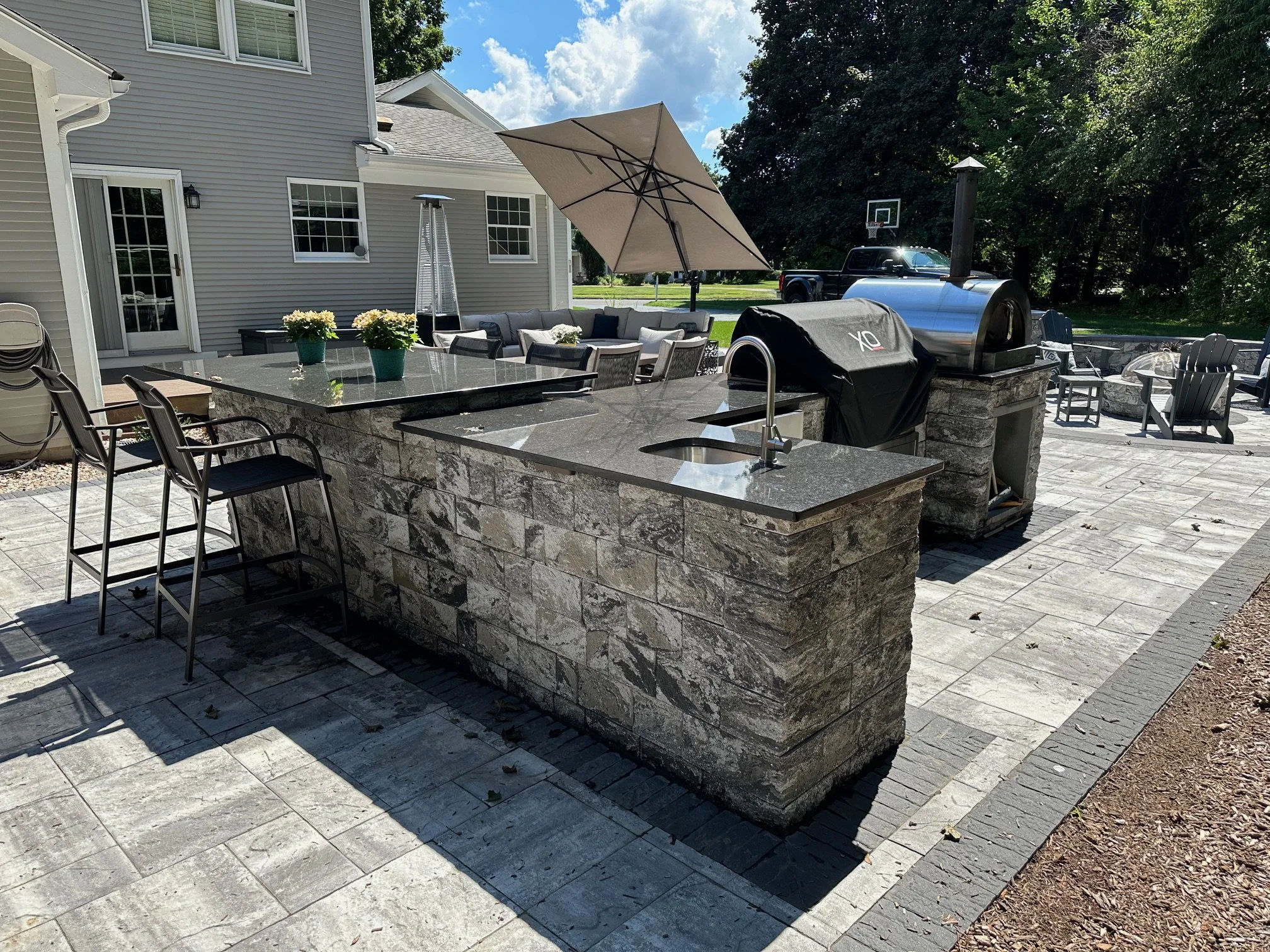
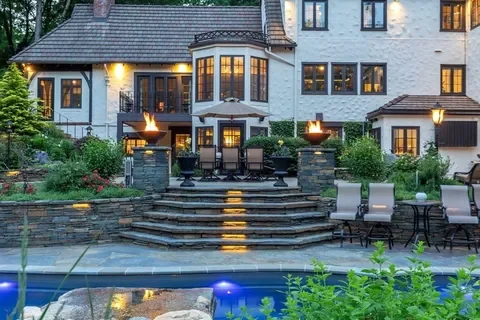
Hardscaping refers to the non-living, structural elements of landscape design, providing the essential "bones" that define, organize, and add functionality to outdoor living spaces. Utilizing durable materials such as concrete, brick, stone, pavers, and wood, hardscape features range from functional pathways and retaining walls to aesthetic additions like fire pits, patios, and water fountains, outdoor kitchens . Unlike "softscaping," which involves living plants and requires regular, intensive maintenance, hardscapes offer a low-maintenance, year-round solution that increases property value and provides structural support for sloped or challenging terrains. When properly integrated with softscaping, these elements improve flow, prevent erosion, and create usable, comfortable areas for entertainment and relaxation.